
Skin Diseases
Lichen Planus
Lichen planus is a chronic inflammatory disease that can appear on the skin, inside the mouth, on the nails, on the scalp and sometimes in the genital area, presenting with itchy, purplish rashes. It occurs in roughly 1 in every 100 people. It is not contagious and often can regress on its own within months, although the form with oral involvement tends to follow a longer course and may require regular follow-up.
What Is Lichen Planus?
It arises when the immune system mistakenly acts against the body’s own skin and mucous membrane cells (the T cells attack). “Lichen” refers to a type of moss/lichen, and “planus” means flat.
What Causes It?
The immune system (an autoimmune origin), genetic predisposition (HLA tissue group), Hepatitis C infection (a clear association), medications (blood pressure, painkillers, malaria, gold-containing drugs), dental fillings/metals (mercury, copper), stress and other triggers.
Its Types
Lichen planus on the skin (wrist, lower back, ankle), oral lichen planus (inside the mouth), nail involvement, scalp involvement (lichen planopilaris — can lead to permanent hair loss), and genital involvement.
Its Symptoms
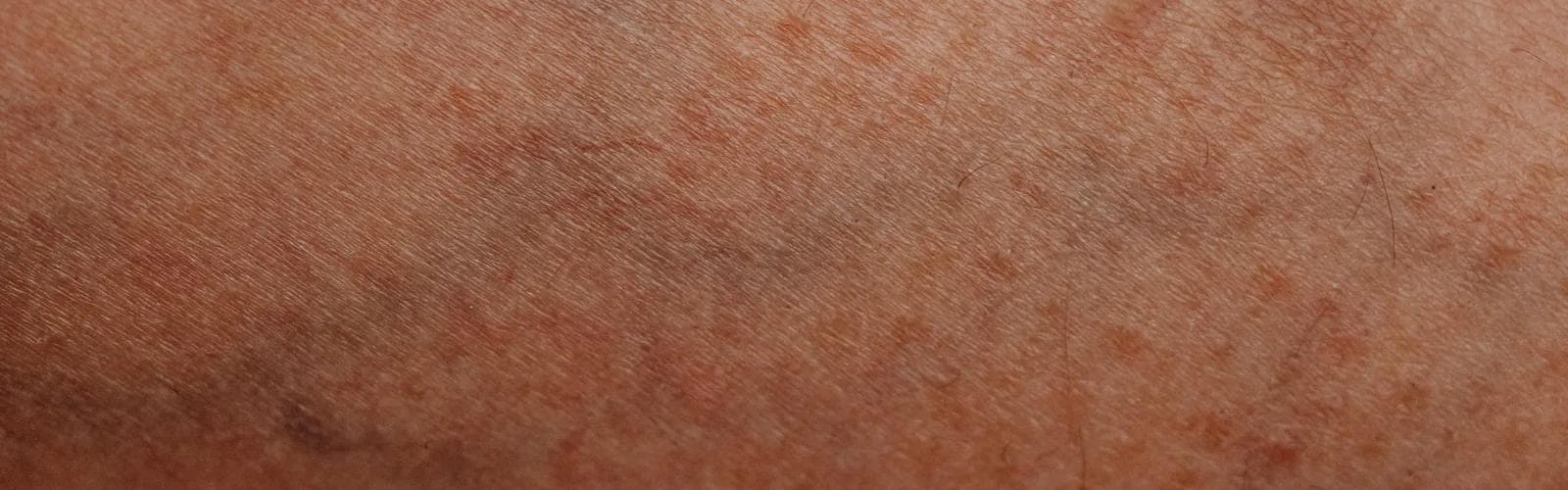
Purple-red, flat-topped, itchy, angular (polygonal) bumps; Wickham striae; white lacy lines/burning in the mouth; thinning of the nails; itching/hair loss on the scalp; redness/pain in the genital area; itching that worsens at night; and the Koebner phenomenon.
Its Relationship With Oral and Gut Health
The oral microbiota and gut health may be linked to the course of the disease; small clinical studies have reported that probiotic and vitamin D supplementation contribute to mild improvement, but not at the level of a definitive treatment recommendation — it can be a supportive element and does not replace a doctor’s treatment.
How Is It Diagnosed?
Clinical examination, skin biopsy, direct immunofluorescence examination, Hepatitis C testing, medication review, and patch testing for dental filling metals.
What Can It Be Confused With?
Lupus, psoriasis, pityriasis rosea, oral fungal infection (candidiasis), and leukoplakia.
How Is It Treated?
Topical treatments (corticosteroid cream/ointment, oral gel/mouthwash, calcineurin inhibitor), phototherapy, systemic treatments (oral corticosteroids, immunomodulators), newer treatments (biologic drugs, JAK inhibitors — in a limited number of patients), and nutrition/lifestyle (avoiding spicy/acidic/hot foods, probiotics/vitamin D, stress management — supportive, not a substitute for treatment).
Recommendations for Patients
Gentle cleansing with lukewarm water, avoiding scratching, a soft toothbrush/non-irritating toothpaste, staying away from spicy-acidic-hot foods, a mild shampoo, stress management, sharing the medications you use with your doctor, and regular follow-up.
Realistic Expectations and Long-Term Follow-Up
Skin involvement may regress within a few months to 1–2 years; oral involvement can follow a more chronic course. There is a tendency to recur; with regular follow-up, most patients can keep their symptoms under control.
Frequently Asked Questions
Is lichen planus contagious?
No. Lichen planus is a disease originating from the immune system, not an infection. It does not pass to another person through touch, sharing items, or close contact.
Does lichen planus go away completely?
The majority of cases with skin involvement resolve on their own over time. Oral lichen planus, however, can follow a more chronic course and may require long-term follow-up.
Does lichen planus recur?
Yes, lichen planus tends to recur by nature. Even if one area heals, it can reappear at another time.
Are there medications that trigger lichen planus?
Some blood-pressure medications, painkillers, and gold-containing drugs can cause lichen planus-like rashes. The medication should be evaluated under a doctor's supervision.
Does lichen planus inside the mouth carry a serious risk?
In long-standing and severe cases of oral lichen planus, there is a — albeit very rare — risk of tissue change inside the mouth. For this reason, regular medical follow-up is important.
Does stress trigger lichen planus?
Yes, stress is one of the known triggers and can contribute to the flare-up of existing lesions.
What should lichen planus patients pay attention to, and what should they avoid eating?
Especially in those with oral involvement, citrus and acidic fruits, spicy foods, very hot drinks, and hard/dry foods should be consumed with care, as they can increase burning and irritation.
Which diseases can occur together with lichen planus?
Lichen planus can tend to occur together with thyroid diseases (Hashimoto's thyroiditis), vitiligo, and some autoimmune diseases. For this reason, the overall health status is also taken into account during the medical evaluation.
This article is for general information purposes and does not replace medical advice. For diagnosis and treatment, be sure to consult a specialist.
Have a question?
Leave us what you'd like to know about Lichen Planus, and we'll call you back.