
Skin Diseases
Acne
Why does acne occur, what types are there, how is it treated? Learn about acne symptoms, the gut-skin axis connection, and acne scar management.
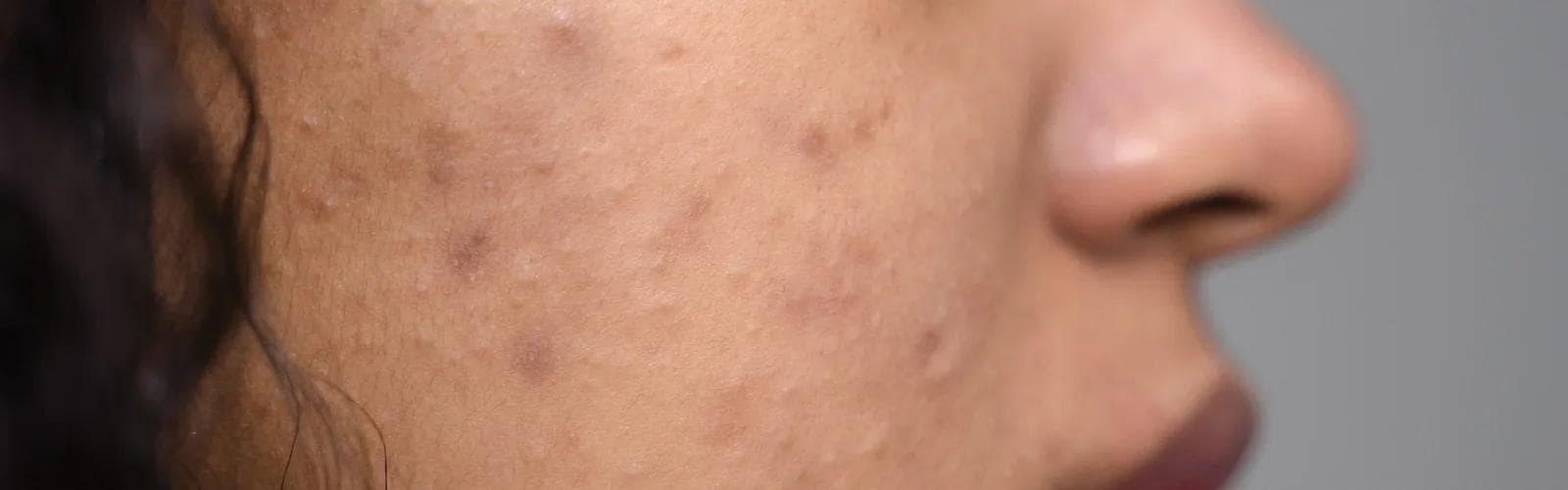
Acne, popularly known as “pimples,” is a long-lasting inflammatory disorder of the hair follicle and its associated oil (sebaceous) gland. It can appear in many different forms, ranging from blackheads and whiteheads to red bumps, pus-filled pimples and deeper, painful swellings. Although acne is most common during adolescence, it can appear at any stage of life; it can also affect a person’s self-confidence and mood.
The Mechanism of Acne Formation
Overactivity of the oil glands (androgen hormones), dead cells clogging the pores, proliferation of bacteria (Cutibacterium acnes), and inflammation.
Types of Acne
Non-inflammatory acne (blackheads/whiteheads), inflammatory acne (papules, pustules, nodules, cysts).
The Causes of Acne
Hormones (androgens), family predisposition, insulin resistance and metabolic factors (IGF-1), nutrition (high glycemic index, plain milk vs. fermented dairy products), stress, and cosmetic/environmental factors.
The Gut-Skin Axis
A theory dating back to the 1930s; genetic studies showing a causal relationship between imbalance in the gut flora and four inflammatory skin diseases, including acne; and clinical research on the inflammation-curbing effect of probiotic supplementation.
Acne by Life Stage and Body Region
Adolescent acne, adult acne, hormonal acne and polycystic ovary syndrome, and back and body acne.
Acne’s “Sibling Diseases”
Polycystic ovary syndrome, metabolic problems/insulin resistance, rosacea/eczema/psoriasis, and hidradenitis suppurativa.
When Should You See a Doctor?
If there is no improvement within 6–8 weeks, if there are deep/painful lesions, if scarring/marks are forming, if hormonal symptoms accompany it, or if it is affecting your quality of life.
Acne Treatment Methods
Topical (retinoids, benzoyl peroxide, antibiotics, azelaic/salicylic acid), oral (antibiotics, hormonal treatments, isotretinoin), and procedure-based (chemical peels, laser, comedone extraction).
Acne Scars and Their Management
Depressed scars (ice-pick, boxcar, rolling) and raised scars; peeling, microneedling, laser, fillers, and subcision.
Nutrition, Lifestyle and Acne
A low-glycemic diet, caution with dairy consumption, probiotic support, stress management, and proper skin care.
Common Mistakes About Acne
“It’s only a hygiene problem” is false; “squeezing is the solution” is false; “it only occurs in young people” is false; “the sun heals it” is false.
This article is for general information purposes and does not replace medical advice. For diagnosis and treatment, be sure to consult a specialist.
References
[1] "The gut-skin axis: Emerging insights in understanding and treating skin diseases through gut microbiome modulation" — Int J Mol Med, 2025. View source
Frequently Asked Questions
Does acne go away on its own?
Mild, non-inflammatory acne can sometimes resolve on its own, but inflammatory acne usually persists for a long time without treatment and carries a risk of scarring.
Do acne scars disappear completely?
It depends on the type and depth of the scar; with early intervention they can be greatly reduced, but there is no method that guarantees "complete removal."
Is acne hereditary?
Familial predisposition plays an important role in the development of acne, but it is not the only determining factor.
Can probiotics or a change in diet cure my acne on their own?
No. These approaches can provide supportive benefit in some people, but they do not replace medical treatment.
Does make-up make acne worse?
Products with pore-clogging ingredients can increase blockage; products labelled "non-comedogenic" should be preferred.
This article is for general information purposes and does not replace medical advice. For diagnosis and treatment, be sure to consult a specialist.
Have a question?
Leave us what you'd like to know about Acne, and we'll call you back.