
Why Is Nutrition So Much in the Spotlight for Psoriasis and Eczema?
April 19, 2026 · Dr. Mehmet İlteber Bahadır
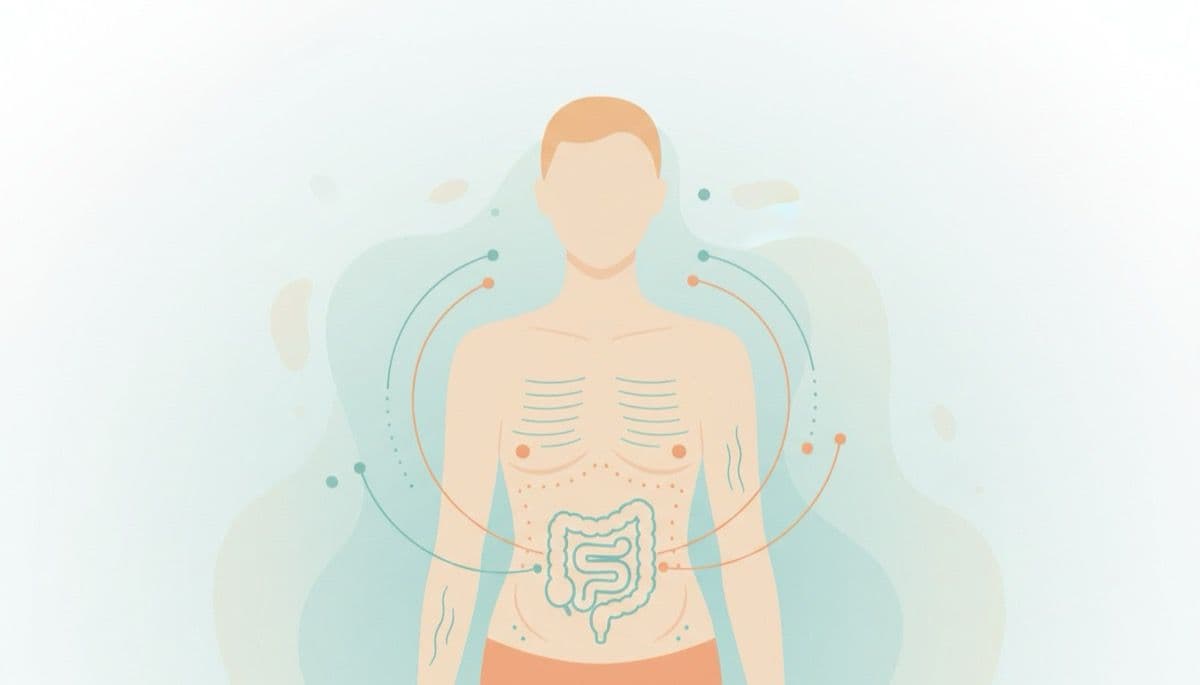
Psoriasis and eczema are fluctuating chronic skin diseases that present with redness, scaling and itching. Genetics, the immune system, environmental factors and lifestyle play a role together. A frequently asked question: “Does what I eat affect this disease?” — there is no one-sentence answer that suits everyone.
A multidimensional view of a multidimensional disease
Family history, stress, infection, medications, smoking/alcohol and an irregular lifestyle can affect the course of complaints. Nutrition is also one of the elements that affect the body’s inflammatory response — rather than blaming a single factor, a holistic view is important.
The gut-skin axis
The gut microbiota, the immune system and the interaction between organs. Some studies report that changes in the flora can affect the immune response and be reflected in skin inflammation — but this does not mean that the disease will be brought completely under control simply by improving nutrition; it is a supportive piece.
The role of nutrition: not a miracle, but a supportive leg
Claims like “cut out this food and everything will improve” do not reflect scientific fact and create false expectations. Each individual’s gut/immune system is different; the same food can have a different effect in different people. Nutrition is not sufficient on its own; it is the supportive element of a holistic approach planned by a physician.
What to watch out for in general adjustments
There is no single “psoriasis/eczema diet” that applies to everyone; presenting a particular food as a “definitive solution” is not appropriate, scientifically or ethically; in people with a chronic disease, dietary changes should be evaluated with a physician’s opinion.
Conclusion
Psoriasis and eczema are chronic inflammatory diseases influenced together by genetics, the immune system, environmental factors and lifestyle. Nutrition can play a supportive role but is not a miraculous solution on its own. The healthiest approach: assessing skin findings, overall health and lifestyle together and creating a personalized plan with an experienced physician.
This article is intended solely for general information purposes. Decisions regarding diagnosis and treatment should always be made together with the physician who assesses you.

Dr. Mehmet İlteber Bahadır
With 29+ years of experience, he applies natural, cortisone-free treatment approaches for psoriasis, eczema and rheumatic conditions.
Have a question?
Leave us what you'd like to know about Why Is Nutrition So Much in the Spotlight for Psoriasis and Eczema?, and we'll call you back.